
In this latest in our series on strategic design in complex times, we look at the ways in which design methods, tools, and thinking can shape systems and channel our intentions. This is strategic design.
For more information, check out the earlier posts on complexity, strategy and introductions to strategic design.
The aim is to help you get a sense of why design matters and what strategic design brings to navigating complexity and change.
A model for strategic design brings together four critical elements as illustrated and discussed below:

Intent
Intent is what you want to do. In strategic contexts, it’s about developing a shared vision for what can be done. This involves bringing together those that have stakes (stakeholders) in both the work required to achieve the vision and the beneficiaries of the work. That often requires mapping out what you’re doing, who is affected, and what you wish to accomplish within that context. It’s simple, but not always easy. Good facilitation, reflection, and interactive discussions make a difference.
If you’re a healthcare organization, you might consider what that vision looks like for your patients or clients, your staff, and the institutions you’re working with. A strong strategic design will recognize the distinctive and overlapping interests and needs and ensure that all are addressed, even if the emphasis or distribution of attention is uneven across all of them. A systems approach will understand that leaving anyone out won’t work, because healthcare works through all parties working together in some way to achieve results.
What distinguishes systemic design from simple strategy or service design is that it is, at its core, about systems thinking. A strategic design approach considers the contexts, boundaries, and systemic influence of what we do (and how that system affects what we do). Clarifying our intentions is part of that systemic approach, because what we seek shapes what and how we do our work.
Imagination
Imagination is about seeing what’s possible and creating a vision for that. It’s not just about creativity, however, it’s also about using strategic foresight; data-driven approaches to understand trends and forces that are influencing the current context to inform possible futures. This might include scenario development, forecasting, various predictive models (for those things where that is appropriate), and a variety of other ways to see trends across contexts.
Imagination is what transforms your intentions into something viable while allowing you to see beyond what is immediately considered practical. It’s what stretches your thinking to see new possibilities, not just more of the same. Because, as we know from how complexity manifests itself in our work and contexts, even if we wish to remain doing the same thing as today, we need to adapt in order to do it.
Production
This is where the making part of design comes in and what distinguishes (strategic) design from design thinking and art. There is a purpose and a desired set of products that must come from strategic design work. Those products could include be physical or digital creations, programs, policies, services, or practice changes. Even if the aim is to create a strategic plan, there needs to be a set of conditions created to enable that plan to be implemented. That includes a means to put things into practice, supporting systems, and an evaluation plan that allows for learning and feedback. Without these, a strategic plan is just an artifact that expresses a dream.
Production involves visualizing, prototyping, testing and implementing what we make by putting it into the world. We may need multiple iterations and a developmental approach, but a strategic design creates the means to learn and adapt even if it’s unclear what is to be learned and what adaptations are required.
Learning
An evaluation and learning strategy connects intention, imagination and production together through data. By data, Data is the evidence we gather—through observations, feedback, numbers, or stories—to understand what is happening, assess how well something is working, and inform decisions for learning and improvement. Evaluation is the process of gathering, analyzing, synthesizing and making sense of that evidence.
A learning system is one that ensures that the right (i.e., timely, useful, plentiful) evidence is gathered at the right time with the resources available. This also means ensuring that you have the right kind of evaluation models in place. At Cense, we often recommend some form of developmental or principles-focused approaches for those working in complex contexts.
Putting it Together
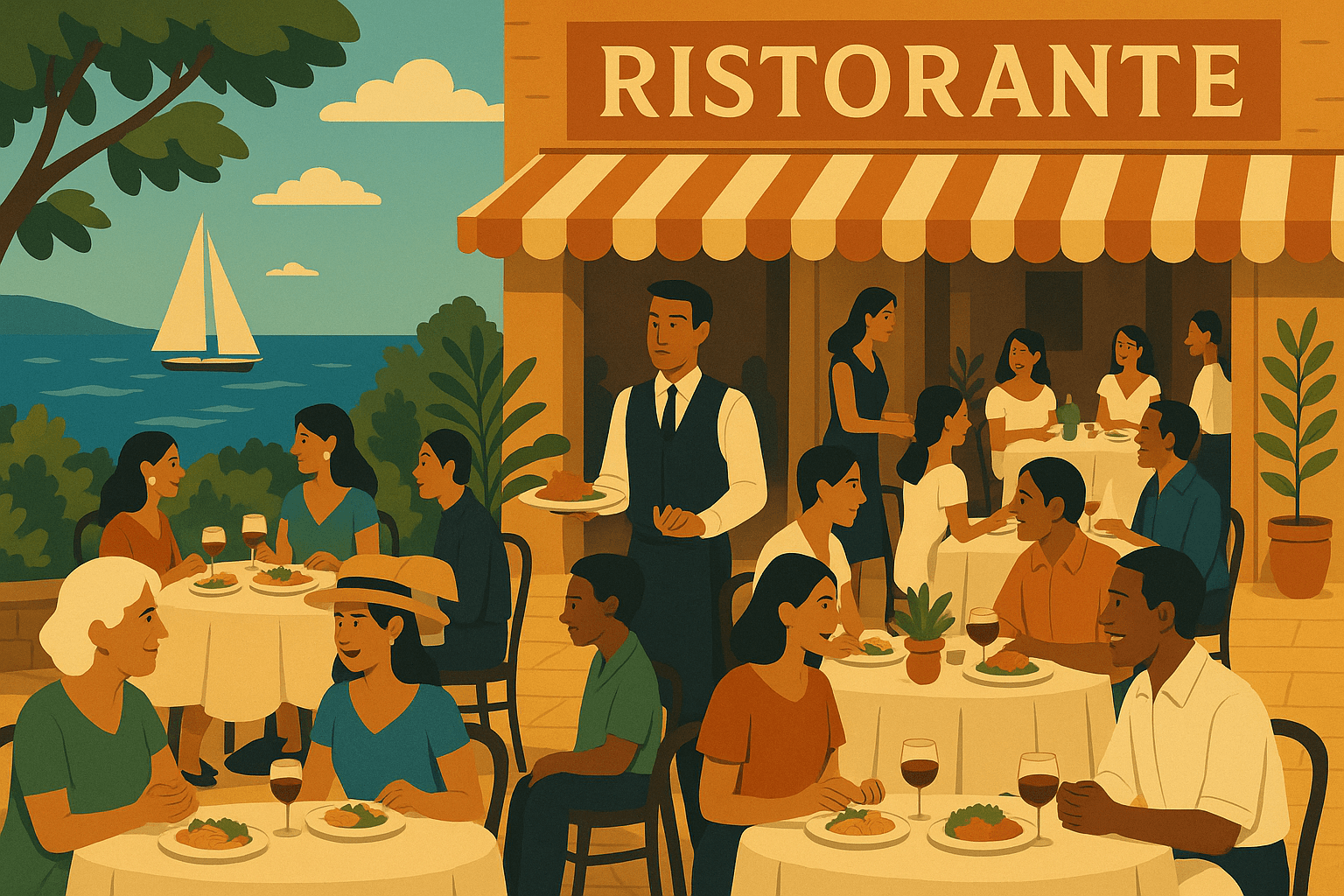
Together, these form strategic design. Consider the metaphor of a restaurant and the work that is required to ‘set the table’ and prepare for service. The idea is that we set ourselves up in ways that is the equivalent of setting the tables, selecting the menu, preparing the ingredients and then hosting. Our design gets us to the table, the complexity arises when we invite the guests and start serving. Just like any restaurant night, we know that a good design and plan will yield outcomes that are exactly as planned, but that a good staff will ensure that — no matter what happens — that guests are treated well even if things don’t go as planned.
Strategic design is like this — setting the table, delivering the service, learning from what happens, and ensuring that — no matter what — you set yourself up for success based on your best effort, by design.
Good luck — it’s time for service!
If you’re looking to navigate complexity, need help setting your table and the conditions for success, let’s talk. I can help.
Pingback: Harnessing Design-Driven Evaluation for Effective Change
Pingback: Mastering Strategic Design: Navigating Complexity with Ease