
A modern, global culture supported by technology has disconnected us from the rhythms of the natural world. The winter solstice reminds us of them.
I’m writing this in that liminal space of the calendar between Christmas and New Years. It’s just after the winter solstice when things are the darkest in my part of the world and often the greyest. This year is no different, except for it being an El Niño year amplified by climate change which translates into a wet, green holiday season instead of one that looks closer to the picture above. I’m writing this from the Northern Hemisphere so keep this in mind, yet the same principle applies to those in the South during the summer solstice.
A Different Seasonal Affective Disorder
This is a time of year when we ought to be eating more, resting up, and staying close to home. This is historically the case. David Cain, writing on his wonderful blog Raptitude, recently suggested that no one has Seasonal Affective Disorder (SAD).
(SAD is) a type of depression characterized by a recurrent seasonal pattern, with symptoms lasting about 4−5 months out of the year. The signs and symptoms of SAD include those associated with depression as well as disorder-specific symptoms that differ for winter-pattern versus summer-pattern SAD.
U.S. National Institutes of Mental Health
He makes a good case. Cain notes:
So we have a thing we call winter, whose days tend to be low in certain mood-improving qualities (light, warmth) and high in certain mood-diminishing qualities (cold, isolation). This sends many people into a compromised state for some of the year, until their part of the planet wobbles its way back around into the thicker light. So it goes.
David Cain, Raptitude
He goes on to show how many things conspire to shape what we call SAD. Taken together, it’s not a surprise that people are a little down, less social, more lethargic. It is how we’ve been for thousands of years because the environment we live in encouraged it. There’s a reason why many mammals hibernate. Winter — with the cold darkness that limits what can grow — is hospitable to sleep, not activity. He speculates that the feelings of SAD are real, the disordered part of SAD are (maybe) not.
The more I read about it, the more I get the sense that SAD isn’t really a thing, it’s just a label to describe the tendency for some people to get depressed and anxious in winter, regardless of the (perhaps untraceable) particular factors behind it. Seemingly, SAD is just what you call it when nothing particularly explains your winter funk.
David Cain, Raptitude
What if our real Seasonal Affective Disorder was largely denial? What if the issue is not that many of us feel a little down, lower in energy, or more inclined toward cocooning than usual? What if it is all about denying that this is a part of our life?
Designing for Life in Winter

The Danes have the term hygge to describe a design ethos that supports the changes in lifestyle that come with winter. This ethos is not restricted to winter, but is certainly more prominent when it gets darker and colder. Most Scandinavian countries have some version of this cultural philosophy that supports social life in the cold, dark months of winter. Ironically, these are also countries that have high levels of participation in outdoor activities.
So while these groups might spend more time eating, drinking, and socializing indoors, they also spend plenty of time making the most of the outdoors.
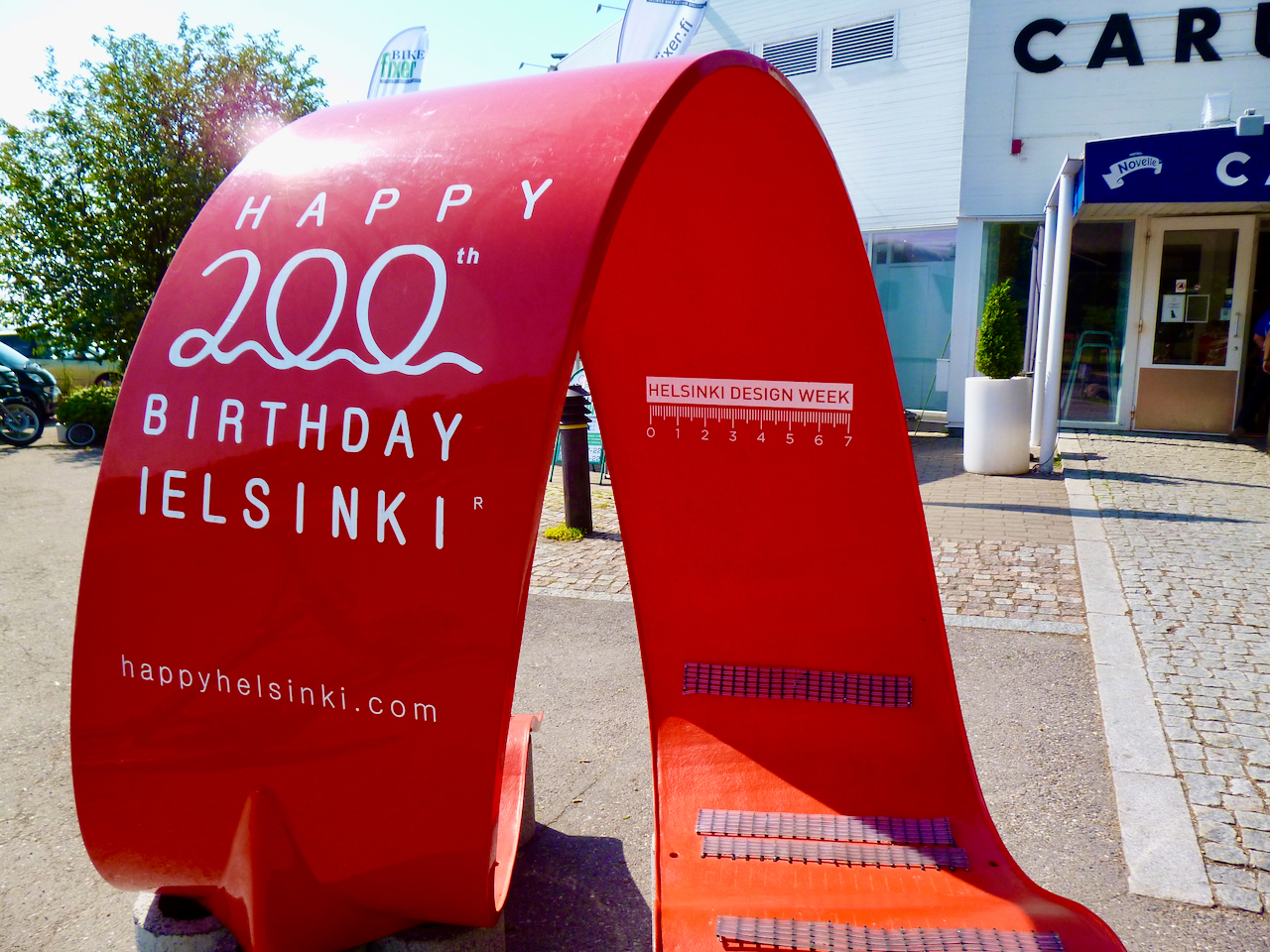
I went to Helsinki, Finland in 2013, the year after they were the World Design Capital. Many of the exhibits and artefacts developed for that event (year) were still up and in many cases added to as part of Helsinki Design Week. One thing I noticed while there is how much the Finns design for comfort, beauty and livability through the winter. The Finnish design aesthetic is shared with many other Scandinavian styles: it’s simple, elegant, and invokes a sense of warmth through the choice of materials, layout, and presentation.
This is designing for winter. It’s creating things that are suited to the space and places where they are used.
In Canada, we’re not as good at this. We’ve adopted much of the same productivity-forward mindset that entraps the United States. People work late, often long hours, and we create spaces that are more functional than beautiful. We spend less time, energy, and money on creating beautiful indoor spaces that enable us to do well in the winter. It’s denialism. It’s also why we have SAD here (David Cain is from Winnipeg). I wonder if there is the same sentiment in Norway or Iceland? This is about choices in how we design our spaces and our lives.
Winnipeg, where David Cain is from, does a decent job of embracing winter. I spent most Christmases / holidays in Winnipeg from 1995 to 2011 and know few places that embrace their cold, snowy existence better than they do when it comes to the outdoors. But I don’t see as much thought when it comes to the indoors — both inside buildings and inside people. In Canada, we are as good at denying the rhythms of nature as well as anyone. That’s because we’ve not designed our social and environmental landscapes for the seasons.
This isn’t just about decorating for Christmas or Hanukkah, it’s about creating cultures that wind down and slow down in our organizations. It’s about creating better space and time for what nature is asking of us. Are there ways we can create space that is human-centred, nature-respecting and still allow us to function well?
I think so. I don’t have an answer how, but it seems that most times we go against what nature encourages us to do we tend to produce things that harm our wellbeing rather than strengthen it.
So if you have the good fortune to take a nap, do it. Ditch the guilt. Embrace the hygge.
Happy holidays.
What are the key factors contributing to seasonal variations, as discussed in the article?